
标签:efs 传值 rop imp 技术 efault UNC nts mamicode
子向父方式1:通过props,如例子中子组件test1.vue向父组件App.vue传值
App.vue代码
<template>
  <div id="app">
    <test1 :parfn="parfn"></test1>
  </div>
</template>

<script>
import test1 from ‘@/components/test1.vue‘
export default {
  name: ‘App‘,
  data () {
    return {
      msg: ‘parent‘
    }
  },
  components: {test1},
  methods: {
    parfn: function (a) {
      alert(a)
    }
  }
}
</script>
test1.vue代码
<template>
    <div>i am test1</div>
</template>

<script>
export default {
  data () {
    return {
      msg: ‘test1‘
    }
  },
  props: {
    parfn: {
      type: Function
    }
  },
  created: function () {
    this.parfn(this.msg)
  }
}
</script>
效果图
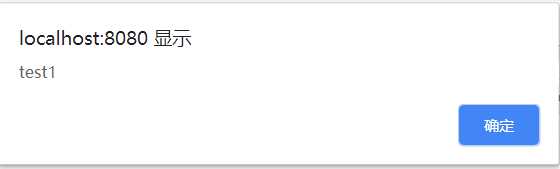
子向父方式2:通过$parent
App.vue代码:
<template>
  <div id="app">
    <test1></test1>
  </div>
</template>

<script>
import test1 from ‘@/components/test1.vue‘
export default {
  name: ‘App‘,
  data () {
    return {
      msg: ‘parent‘
    }
  },
  components: {test1},
  methods: {
    parfn: function (a) {
      alert(a)
    }
  }
}
</script>
test1.vue代码:
<template>
    <div>i am test1</div>
</template>

<script>
export default {
  data () {
    return {
      msg: ‘test1‘
    }
  },
  created: function () {
    this.$parent.parfn(this.msg)
  }
}
</script>
效果图:
子向父方式3:通过emit
App.vue代码
<template>
  <div id="app">
    <test1 @myfn="parfn"></test1>
  </div>
</template>

<script>
import test1 from ‘@/components/test1.vue‘
export default {
  name: ‘App‘,
  data () {
    return {
      msg: ‘parent‘
    }
  },
  components: {test1},
  methods: {
    parfn: function (a) {
      alert(a)
    }
  }
}
</script>
test1.vue代码:
<template>
    <div>i am test1</div>
</template>

<script>
export default {
  data () {
    return {
      msg: ‘test1‘
    }
  },
  mounted: function () {
    this.$emit(‘myfn‘, this.msg)
  }
}
</script>
效果图:
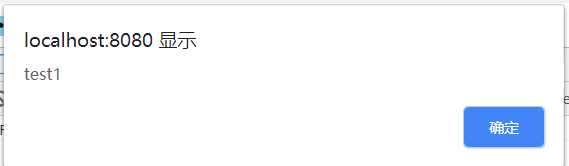
父向子传值方式1:通过props
App.vue代码:
<template>
  <div id="app">
    <test1 :msg="msg"></test1>
  </div>
</template>

<script>
import test1 from ‘@/components/test1.vue‘
export default {
  name: ‘App‘,
  data () {
    return {
      msg: ‘parent‘
    }
  },
  components: {test1}
}
</script>
test1.vue代码:
<template>
    <div>i am test1</div>
</template>

<script>
export default {
  props: [‘msg‘],
  created: function () {
    alert(this.msg)
  }
}
</script>
效果图:
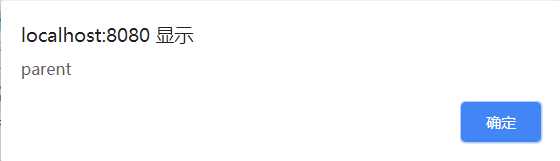
父向子方式2:通过$children
App.vue代码:
<template>
  <div id="app">
    <test1></test1>
  </div>
</template>

<script>
import test1 from ‘@/components/test1.vue‘
export default {
  name: ‘App‘,
  data () {
    return {
      msg: ‘parent‘
    }
  },
  mounted: function () {
    this.$children[0].childfn(this.msg)
  },
  components: {test1}
}
test1.vue代码
<template>
    <div>i am test1</div>
</template>

<script>
export default {
  methods: {
    childfn: function (a) {
      alert(a)
    }
  }
}
</script>
效果图:
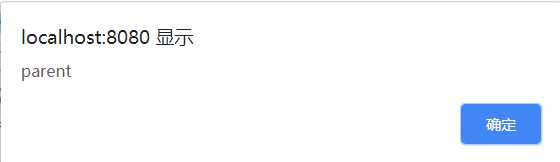
父向子方式3:通过ref
App.vue代码:
<template>
  <div id="app">
    <test1 ref="mychild"></test1>
  </div>
</template>

<script>
import test1 from ‘@/components/test1.vue‘
export default {
  name: ‘App‘,
  data () {
    return {
      msg: ‘parent‘
    }
  },
  mounted: function () {
    this.$refs.mychild.childfn(this.msg)
  },
  components: {test1}
}
</script>
test1.vue代码:
<template>
    <div>i am test1</div>
</template>

<script>
export default {
  methods: {
    childfn: function (a) {
      alert(a)
    }
  }
}
</script>
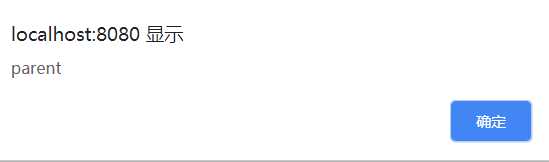
效果图:
标签:efs 传值 rop imp 技术 efault UNC nts mamicode
原文地址:https://www.cnblogs.com/hesj/p/10568869.html
