
最近打算重新看一边数据结构,昨天看的时候感觉栈这部分部分能看懂了。 于是就赶紧来实践一下!!
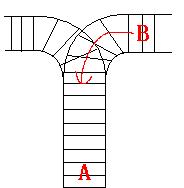
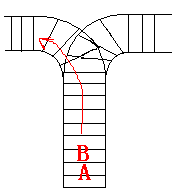
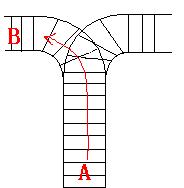
3 123 321
3 123 312
Yes. in in in out out out FINISH No. FINISHFor the first Sample Input, we let train 1 get in, then train 2 and train 3. So now train 3 is at the top of the railway, so train 3 can leave first, then train 2 and train 1. In the second Sample input, we should let train 3 leave first, so we have to let train 1 get in, then train 2 and train 3. Now we can let train 3 leave. But after that we can‘t let train 1 leave before train 2, because train 2 is at the top of the railway at the moment. So we output "No.".HintHint
#include<stdio.h>
#include<stdlib.h>
int main()
{
	int n;
	char a[50], b[50], s[50];//s相当于栈
	int flag[50], top;    //top是栈顶
	while( ~scanf( "%d %s %s", &n, a, b ) )
	{
		top = -1;
		int i = 0, k=0, j = 0;
		while( i < n )
		{
			s[++top] = a[i++];
			flag[++k] = 1;//enter stack
			while( top!=-1&&s[top] == b[j] )
			{
				flag[++k] = 0; //out stack
				top--;
				++j;
			}
		}
		if( j == n )
		{
			puts("Yes." );
			for( i = 1; i <=k; i ++ )
			if( flag[i] )
			printf( "in\n" );
			else
			printf( "out\n" );
		}
		else
		puts( "No." );
		puts("FINISH" );
	}
	return 0;
}
hdoj 1022 Train Problem I 【顺序栈】,布布扣,bubuko.com
hdoj 1022 Train Problem I 【顺序栈】
原文地址:http://blog.csdn.net/shengweisong/article/details/29173171
