
标签:
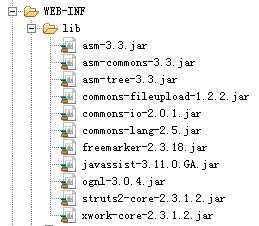
1、导入jar包
2、编写web.xml文件
    <filter>
        <filter-name>struts2</filter-name>
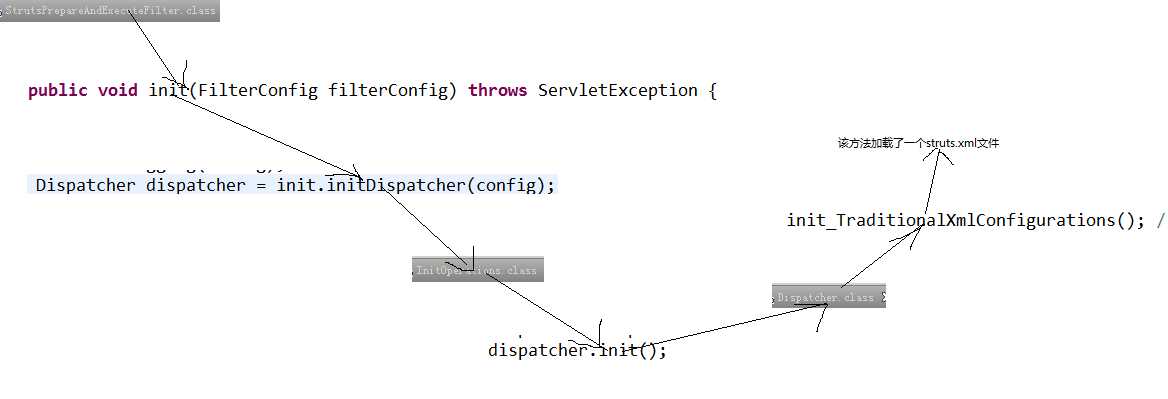
        <filter-class>org.apache.struts2.dispatcher.ng.filter.StrutsPrepareAndExecuteFilter</filter-class>
    </filter>
    <filter-mapping>
        <filter-name>struts2</filter-name>
        <url-pattern>/*</url-pattern>
    </filter-mapping>
3、写一个action
public class Demo1Action extends ActionSupport {
    public String test1(){
        return SUCCESS;
    }
}
4、编码struts.xml文件
<?xml version="1.0" encoding="UTF-8" ?>
<!DOCTYPE struts PUBLIC
    "-//Apache Software Foundation//DTD Struts Configuration 2.3//EN"
    "http://struts.apache.org/dtds/struts-2.3.dtd">
<struts>
    <package name="test" namespace="/" extends="struts-default">
        <action name="action_*" class="com.test.Demo1Action" method="{1}">
            <result>success.jsp</result>
            <result name="error">error.jsp</result>
        </action>
    </package>
</struts>
package
name:包名
namespace:命名空间
extends:继承
action
name:访问时路径名
class:类的全名
method:执行方法
result:结果集
type:结果集的类型
name:和方法返回值一样
标签:
原文地址:http://www.cnblogs.com/jsnan/p/4505862.html
